

Japanese raw denim has earned a legendary reputation among denim enthusiasts around the globe. Known for its exceptional craftsmanship, durable selvedge construction, and unique fading patterns, What is Japanese denim and why it matters represents a blend of tradition, quality, and magnificence. If you’re intending to invest in a pair, this comprehensive guide can help you make the right choice.
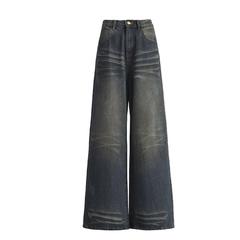
What Is Japanese Raw Denim?
Raw denim (also known as “dry denim”) is denim fabric that hasn’t been pre-washed or distressed after dyeing. Unlike mass-produced jeans, raw denim starts stiff and dark but gradually molds for your body and fades uniquely after a while.
Japanese raw denim is typically produced on vintage shuttle looms, creating selvedge denim—a tightly woven fabric with clean, self-finished edges. These looms, many imported in the United States decades ago, have become primarily present in Japan.
Why Japanese Denim Is Special
Japan’s denim industry flourished after World War II, drawing inspiration from classic American workwear. Over time, Japanese mills developed their own meticulous procedure for denim manufacturing.
Here’s why authentic Japanese raw denim sticks out:
Vintage shuttle looms for tighter, denser fabric
Natural indigo dyeing techniques
High-quality long-staple cotton
Meticulous craftsmanship
Unique fading (“whiskers,” “honeycombs,” high-contrast wear patterns)
Brands like Momotaro Jeans, The Flat Head, Samurai Jeans, Iron Heart, and Studio D’Artisan are globally better known for their authentic craftsmanship.
Key Factors to Consider Before Buying
1. Fabric Weight
Japanese raw denim also comes in various weights:
Lightweight (10–13 oz) – Comfortable and simpler to break in.
Midweight (14–16 oz) – Balanced durability and comfort.
Heavyweight (17–25 oz) – Extremely durable but stiff initially.
If you’re new to raw denim, you start with 14–15 oz is usually ideal.
2. Fit and Cut
Japanese brands often offer multiple fits:
Slim
Straight
Relaxed
Tapered
High-rise or low-rise
Raw denim stretches slightly with wear (particularly in the waist), so sizing correctly is important. Always check the brand’s sizing chart and whether or not the denim is sanforized (pre-shrunk) or unsanforized (may shrink after soaking).
3. Selvedge Details
Authentic Japanese raw denim often features:
Colored selvedge ID lines (red, pink, blue, etc.)
Hidden rivets
Chain-stitched hems
Leather or deerskin patches
Custom pocket bags
These details reflect craftsmanship and heritage.
4. Indigo Dyeing Methods
Many Japanese brands use rope dyeing, where yarn is repeatedly dipped in indigo. Some even use natural indigo, resulting in deeper, more complicated fades.
Over time, this produces dramatic contrast and personalized wear patterns.
5. Country of Manufacture
Authentic Japanese raw denim is usually:
Fabric woven in Japan
Cut and sewn in Japan
While some brands manufacture overseas, “Made in Japan” usually indicates higher craftsmanship standards.
How to Spot Authentic Japanese Raw Denim
Check for “Made in Japan” labeling.
Research the brand’s heritage and mill.
Look for selvedge edges within the outseam.
Verify retailer authenticity.
Compare stitching quality and finishing details.
Buying from reputable stores or official websites cuts down on risk of counterfeit products.
Where to Buy
You can find authentic Japanese raw denim from:
Official brand websites
Specialty denim boutiques
High-end department stores
Trusted online retailers
Always verify return policies and sizing information before purchasing, particularly when ordering internationally.
Caring for Japanese Raw Denim
To acquire the best fades:
Avoid washing for your first few months (if desired).
Spot clean when necessary.
Wash cold and air dry.
Turn back to front before washing.
Avoid excessive machine drying.
Proper care ensures your jeans develop unique character after a while.
Is Japanese Raw Denim Worth the Investment?
Authentic Japanese raw denim often is more expensive than regular jeans, however the investment reflects:
Superior materials
Traditional craftsmanship
Long lifespan
Unique aging process
For denim enthusiasts, the experience of breaking in and fading a pair of Japanese raw skinny jeans is part of the appeal.
Buying authentic Japanese raw denim is all about more than fashion—it’s about craftsmanship, patience, and personal expression. By understanding fabric weight, fit, dyeing methods, and brand reputation, you can confidently pick a pair that may age beautifully and last for years.